How to Install a Pressure Regulator in Bountiful, UT Homes and Surrounding Areas
Installing a pressure regulator is essential for homeowners in Bountiful, UT and surrounding areas to maintain safe and consistent water pressure throughout their plumbing system. Proper installation protects pipes, appliances, and fixtures from damage caused by high water pressure, while improving efficiency and water conservation. Understanding the process, tools, and precautions ensures a successful and safe installation.
What Is a Pressure Regulator and Why Is It Important?
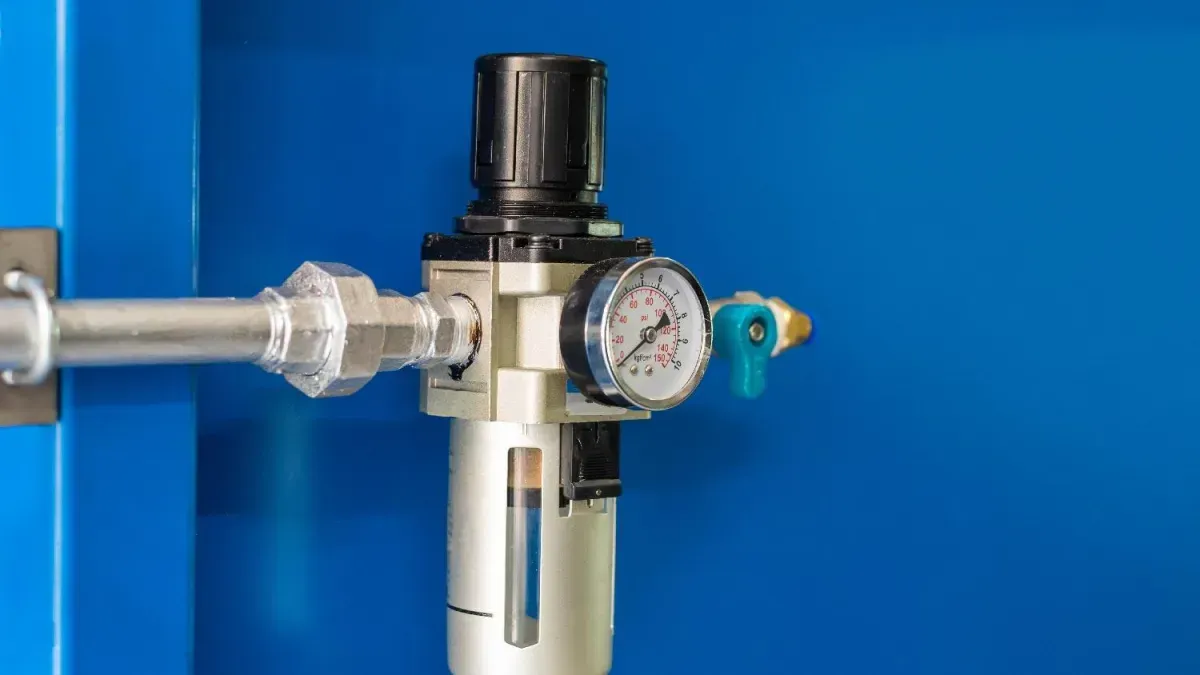
A pressure regulator is a valve that controls water pressure entering a home, ensuring it stays within safe limits. High water pressure can cause leaks, pipe bursts, and premature wear on plumbing fixtures. Regulators maintain consistent pressure, protect household plumbing, and extend the lifespan of appliances like dishwashers, water heaters, and washing machines. Installing a regulator is a preventive measure that safeguards both the plumbing system and household investments.
How Do Homeowners Prepare for Installing a Pressure Regulator?
Preparation involves turning off the main water supply, gathering necessary tools such as pipe wrenches, Teflon tape, fittings, and a pressure gauge. Identifying the correct location—typically near the main shutoff valve—is essential for optimal performance. Checking local plumbing codes ensures that the installation meets regulatory requirements and avoids future compliance issues.
What Are the Step-by-Step Instructions for Installing a Pressure Regulator?
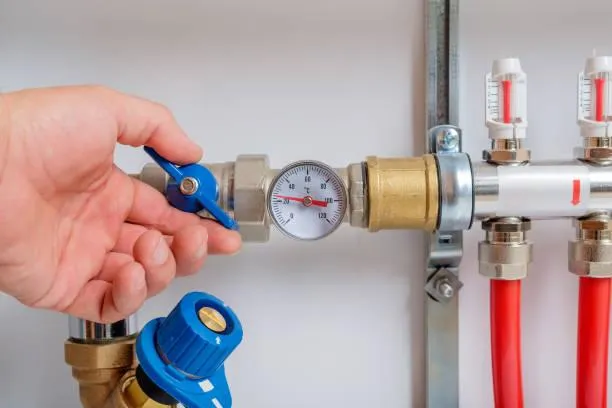
The basic steps include shutting off the main water supply, draining existing water from the pipes, cutting the pipe section where the regulator will be installed, and attaching the regulator using appropriate fittings and Teflon tape. After installation, the water supply is restored, and a pressure gauge is used to adjust the regulator to the recommended PSI, typically between 50 and 60 for most homes. Proper sealing and secure fittings are crucial to prevent leaks and ensure consistent performance.
What Tools and Materials Are Needed for Installation?
Necessary tools include a pipe cutter or hacksaw, adjustable wrenches, Teflon tape or pipe thread sealant, and a pressure gauge for adjustment. Materials include the pressure regulator itself, threaded fittings, and any additional connectors compatible with the household plumbing. Having all tools and parts ready before starting the installation ensures efficiency and reduces the risk of mistakes.
How Can You Adjust and Test the Regulator After Installation?
Once installed, the pressure regulator should be tested with a pressure gauge to ensure the water flow is within safe limits. Adjustments are made using the regulator’s adjustment screw, turning clockwise or counterclockwise to increase or decrease pressure. Observing water flow at various fixtures and checking for leaks ensures proper functionality and confirms that the system is balanced throughout the home.
What Safety Precautions Should Be Taken During Installation?
Safety precautions include shutting off the main water supply before cutting pipes, wearing protective gloves and eyewear, and ensuring all fittings are properly sealed to prevent leaks. Avoiding DIY installation if unfamiliar with plumbing systems reduces the risk of damage, flooding, or improper regulator function. Consulting a licensed plumber may be necessary for complex or high-pressure systems.
How Does a Pressure Regulator Improve Home Efficiency and Appliance Life?
By maintaining stable water pressure, a regulator reduces stress on plumbing lines and appliances, preventing leaks, water hammer, and wear. Consistent pressure also improves water efficiency and reduces utility bills by minimizing wasted water. Appliances last longer, and maintenance costs decrease, making it a cost-effective improvement for any home.
Can Regular Maintenance Extend the Life of a Pressure Regulator?
Yes, inspecting the regulator periodically, checking for leaks, and ensuring proper adjustment help maintain its performance. Cleaning any debris or mineral buildup prevents malfunction. Regular maintenance ensures long-term reliability, protects plumbing, and avoids costly repairs in the future.
Final Thoughts
Installing a pressure regulator is a crucial step for homeowners in Bountiful, UT and surrounding areas to ensure safe, efficient, and reliable water flow throughout their homes. Proper installation, adjustment, and maintenance protect plumbing systems, extend appliance life, and improve overall water management. Investing in a pressure regulator provides peace of mind and long-term benefits for any household.
Where should a pressure regulator be installed in a home?
Typically near the main water shutoff valve for optimal performance and easy access.
Can I install a pressure regulator myself safely?
DIY installation is possible with proper tools and knowledge, but professional help is recommended for complex plumbing systems.
What is the ideal water pressure for a home?
Most homes operate safely between 50 and 60 PSI.
How do I know if my pressure regulator needs maintenance?
Signs include fluctuating water pressure, leaks, or unusual noises in pipes.
Can a pressure regulator prevent pipe damage?
Yes, it protects plumbing lines and fixtures from high-pressure stress and water hammer effects.
Contact Us
Terms & Conditions
Privacy Policy