Tank vs Tankless Water Heaters: Which Is Best for Woods Cross, UT Homes and Surrounding Areas
Woods Cross, Utah, along with nearby towns such as Bountiful, Centerville, North Salt Lake, West Bountiful, and Farmington, experiences seasonal temperature changes that make efficient and reliable water heating essential. Choosing between tank and tankless water heaters can impact energy costs, hot water availability, and long-term maintenance. Understanding the advantages and limitations of each system helps homeowners select the best option for their household needs.
What is a traditional tank water heater and how does it work?
A traditional tank water heater stores hot water in a large tank and maintains it at a set temperature. Homes in Woods Cross, Bountiful, and Centerville rely on these systems for consistent hot water throughout the day. They are generally easier to install and cost-effective upfront.
How does a tankless water heater differ from a tank system?
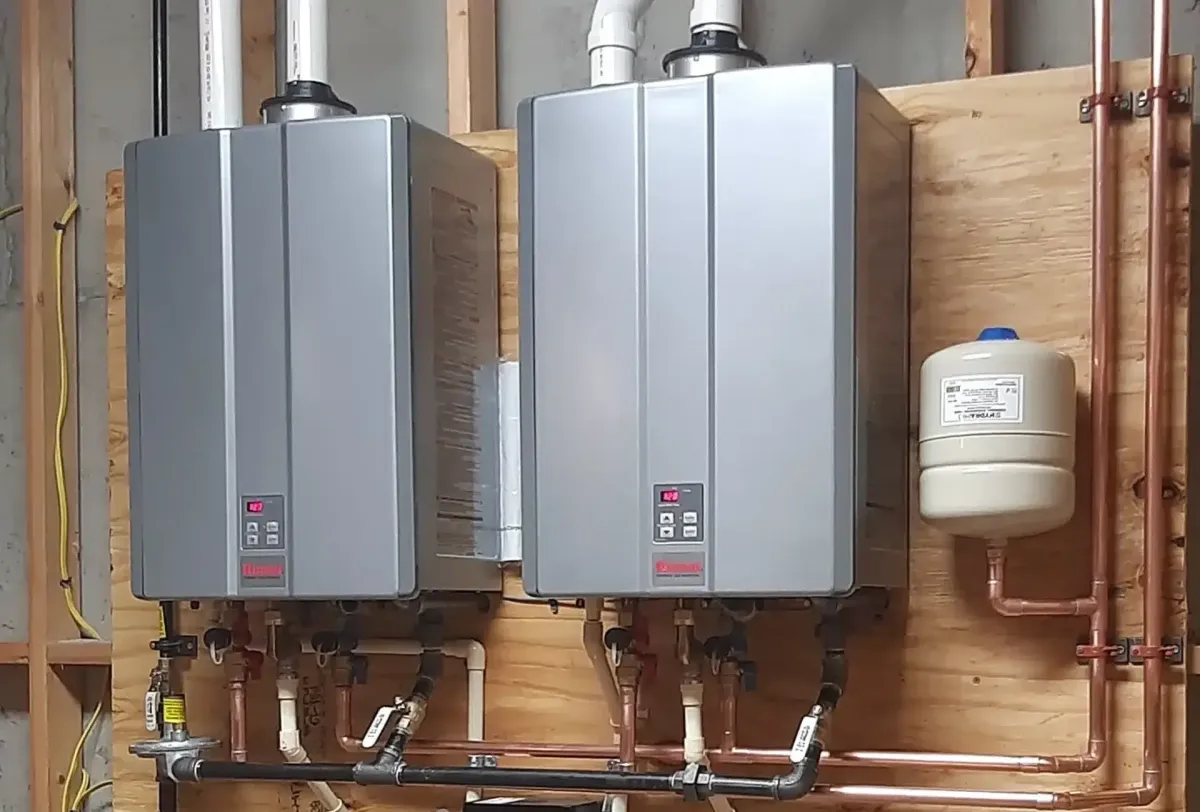
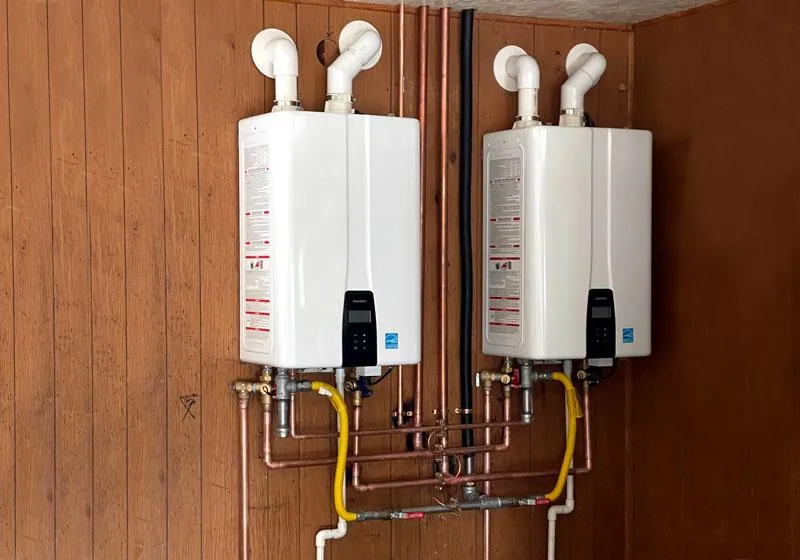
Tankless water heaters heat water on demand without storing it. This provides endless hot water for homes in North Salt Lake, West Bountiful, and Farmington and can reduce energy waste compared to constantly heating a storage tank.
What are the energy efficiency benefits of tankless water heaters in Woods Cross homes?
Tankless systems use energy only when hot water is needed, reducing utility bills. Homeowners in Centerville and Bountiful see savings over time, especially in households with lower daily water usage.
Are there size considerations when choosing between tank and tankless water heaters?
Yes, tank water heaters require enough capacity for peak demand, while tankless units must have adequate flow rate for multiple fixtures. Homes in Woods Cross and nearby towns need proper sizing to ensure consistent hot water for showers, appliances, and faucets.
What are the installation costs for tank versus tankless water heaters?
Tank systems are typically less expensive upfront, while tankless units may cost more to install due to plumbing and electrical upgrades. Surrounding areas like Bountiful, Farmington, and North Salt Lake should consider long-term energy savings when evaluating initial costs.
How does lifespan compare between tank and tankless water heaters?
Traditional tank water heaters generally last 10–15 years, while tankless units can last 20 years or more with proper maintenance. Homes in West Bountiful and Woods Cross benefit from the longer lifespan and lower replacement frequency of tankless systems.
What maintenance is required for each type of water heater?
Tank water heaters need annual flushing to remove sediment buildup, while tankless units require descaling periodically. Homeowners in Bountiful, Centerville, and North Salt Lake should schedule regular maintenance to prevent efficiency loss and extend system life.
Which water heater is better for larger households in Woods Cross?
Larger families may prefer traditional tank systems for consistent water supply during peak usage. However, multiple tankless units can also meet high demand if properly installed in Bountiful, Farmington, and surrounding areas.
Do tankless water heaters provide instant hot water in Woods Cross homes?
Tankless units heat water quickly but may experience slight delays at distant faucets. Installing them closer to bathrooms or kitchens in Centerville, North Salt Lake, and West Bountiful can improve performance.
What factors should homeowners consider when choosing a water heater in Woods Cross?
Energy efficiency, household size, installation costs, lifespan, and maintenance requirements are key factors. Evaluating these considerations helps homeowners in Woods Cross, Bountiful, Farmington, and surrounding towns make an informed decision.
Final Thought
Choosing between a tank and tankless water heater in Woods Cross, UT, requires balancing upfront costs, energy efficiency, household needs, and long-term maintenance. Homes in Bountiful, Centerville, North Salt Lake, West Bountiful, and Farmington benefit from evaluating these factors carefully to ensure reliable hot water, cost savings, and system longevity.
Which is more energy-efficient: tank or tankless water heaters?
Tankless water heaters are generally more energy-efficient because they only heat water on demand, reducing energy waste in Woods Cross homes.
How long does a tankless water heater last compared to a tank system?=
Tankless units can last up to 20 years with proper maintenance, while traditional tanks typically last 10–15 years.
What is the difference between faucet repair and replacement?
Faucet repair involves fixing specific components like O-rings, cartridges, or washers to restore functionality. Faucet replacement involves removing the old faucet entirely and installing a new one, which is often recommended when a faucet is old, severely damaged, or when upgrading to a more efficient or aesthetically pleasing model.
How does hard water affect my faucets and fixtures?
Hard water, common in areas like Bountiful, UT, contains high mineral content (calcium and magnesium). These minerals can build up inside faucets and fixtures, leading to reduced water flow, decreased efficiency, increased risk of leaks, and premature wear on seals and internal parts. This buildup can also affect the finish of your fixtures.
What are the benefits of upgrading to a low-flow faucet?
Upgrading to a low-flow faucet can significantly reduce water consumption, leading to lower utility bills and a smaller environmental footprint. These faucets are designed to provide adequate water pressure while using less water, often saving up to 30% on household water usage without compromising performance.
Contact Us
Terms & Conditions
Privacy Policy